Is it safe to step into the flooded basement right now?
Not until you confirm two things. First, the electricity to the basement must be off at the main breaker. Water and live circuits are the leading cause of home electrocution deaths in flood events, and a half inch of water across a finished basement can energize the entire floor if an outlet, extension cord, or appliance is submerged. If the breaker panel itself is in the basement and you cannot reach it dry, call your utility to cut power at the meter before entering. Second, you need to identify what kind of water you are looking at. Clear water from a supply line is Category 1. Water from a washing machine, dishwasher, or sump backup is usually Category 2. Anything from a sewer line, toilet trap, or storm runoff entering through a foundation crack is Category 3, which is biohazardous and should not be touched without PPE. Our team breaks down the differences in detail in our guide to Category 1 vs Category 2 vs Category 3 water damage, and it is worth a 60 second read before you wade in. Also check for any gas appliances down there. A submerged water heater or furnace can leak gas as seals fail, and you should not relight pilot lights yourself after a flood. If you smell gas at any point, leave the house and call your utility from outside.
What do I shut off first to stop the flooding?
Find the source and kill it. If a supply line burst, the main water shutoff is usually where the city line enters your Cobblestone home, often near the front foundation wall or in a utility closet. Turn the valve clockwise until it stops. If a water heater or washing machine is the culprit, each has its own local shutoff behind the unit. If your sump pump failed during a storm, there is no valve to close, the groundwater will keep coming until the rain stops or the pump runs again. In that case, a backup pump or a portable extraction unit is the only fix, and that is where professional response matters. Sewer backups are different again. Stop using every water fixture in the house, do not flush toilets, do not run the dishwasher, and call a plumber to clear the line before any cleanup begins. It also helps to know where these shutoffs are before an emergency happens. Walk your basement this weekend, tag the main valve with a bright zip tie, and make sure every adult in the house knows the location and which direction to turn it.
What should I move out of the water in the first hour?
Anything that absorbs water and anything irreplaceable. Photo albums, important documents, electronics, area rugs, upholstered furniture, and cardboard boxes should come up first. Books and paper start swelling within 20 minutes. Particleboard furniture, the kind common in basement offices and rec rooms, will delaminate and become unsalvageable inside two hours of contact. Leather and solid wood furniture can often be saved if you get them off wet carpet quickly and let them air dry on blocks. Take photos of everything before you move it, then more photos after. Your insurance adjuster will ask for both, and timestamped pictures from your phone do more for your claim than any written inventory. If you have a deep freezer or second refrigerator in the basement, unplug it once power is safely off and prop the door open to prevent odor and mold inside the unit. Children's toys, especially anything plush or made of foam, almost never come back clean after Category 2 or 3 exposure, and trying to save them is not worth the health risk.
Can I just use a shop vac and handle this myself?
For under an inch of clean water across a small area, sometimes yes. For anything larger or anything that touched drywall, baseboards, or carpet pad, the answer is no, and here is why. A standard shop vac pulls roughly 5 to 10 gallons before it needs emptying. A flooded 600 square foot basement with two inches of standing water holds close to 7,500 gallons. Our truck-mounted extraction units pull 100 plus gallons per minute and our commercial air movers and LGR dehumidifiers drop the relative humidity fast enough to prevent secondary damage. DIY drying with box fans almost always leaves moisture trapped in the wall cavity and under the slab edge, which is exactly where mold colonies start. Another factor people underestimate is the weight of saturated materials. A single roll of wet carpet pad from a 12 by 12 room can weigh over 80 pounds, and dragging it up basement stairs alone is how back injuries happen. If you want the full timeline breakdown, our piece on how long water damage takes to dry shows what realistic drying actually looks like.
How long until mold becomes a problem?
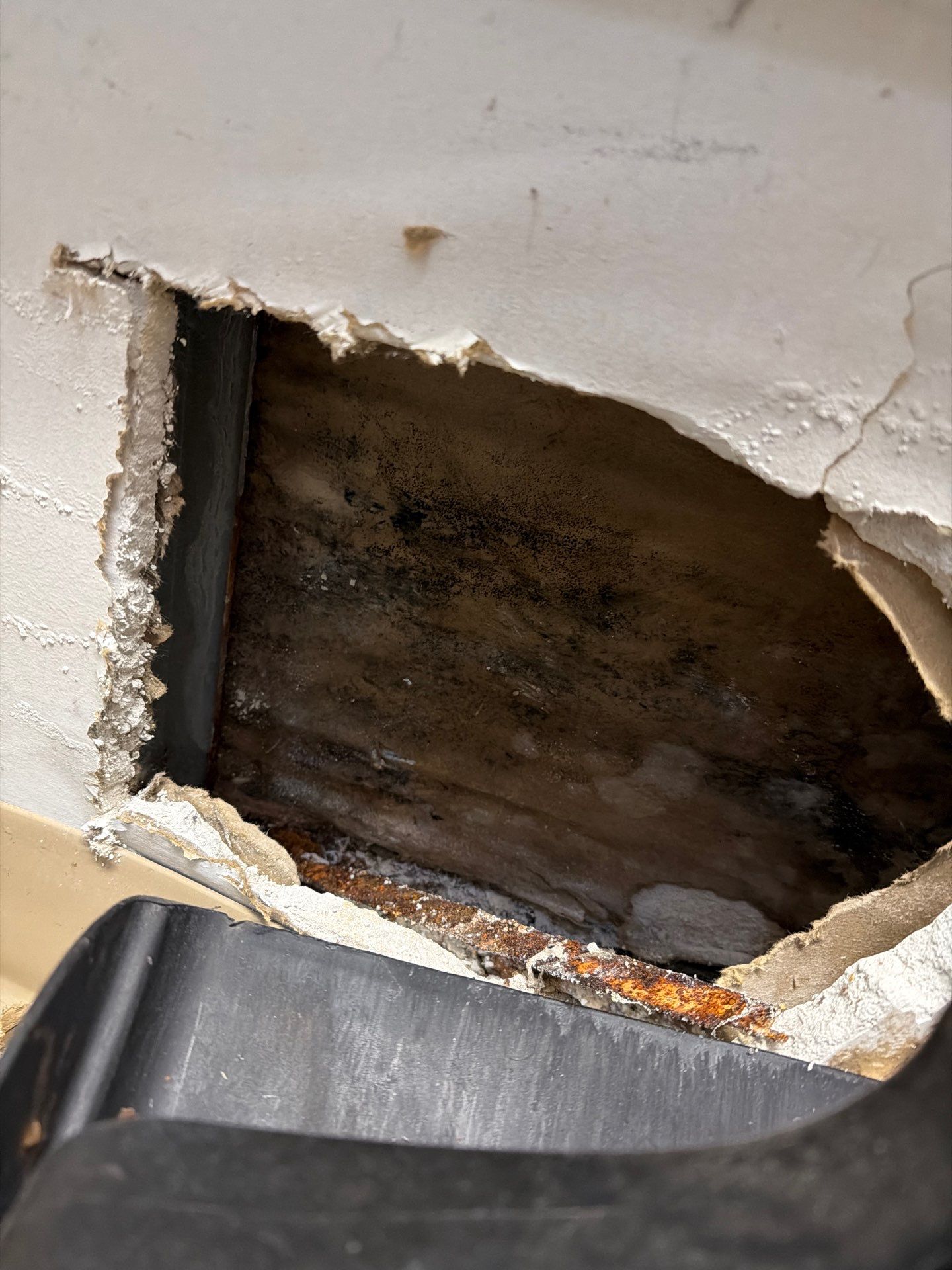
The IICRC 48 hour rule is real. Mold spores exist in every home and only need moisture, a food source like drywall paper or wood, and a temperature above 60 degrees to colonize. In a Cobblestone basement in summer, that window can shrink to 24 hours. This is why professional drying with monitored moisture readings matters more than aggressive demo. We document moisture content daily and only remove materials that cannot be dried to standard, which keeps your repair costs lower and your claim cleaner.
What does a professional basement flood response actually look like?
When our crew arrives at your Cobblestone address, the first 30 minutes are assessment, moisture mapping, and safety. Then extraction begins, usually with truck-mount units pulling standing water in one to three hours depending on volume. Saturated carpet pad gets removed, baseboards may be detached to ventilate wall cavities, and air movers plus dehumidifiers are placed on a calculated grid. We return daily for three to five days to take readings and adjust equipment. Total mitigation typically runs $2,500 to $7,500 for residential basements, with structural repairs billed separately once drying is verified.
How can I prevent the next basement flood?
Once the current crisis is handled, take 30 minutes to reduce your odds of a repeat. Install a battery backup or water-powered backup on your sump pump, since most basement floods during storms happen when the primary pump loses power. Add a water alarm near the water heater and washer for under $20 each. Extend downspouts at least six feet from the foundation, and re-grade any soil that slopes toward the house. These small fixes prevent the majority of repeat calls we see in Cobblestone.
Do I call my insurance company before or after I call a restoration crew?
Call the restoration crew first if water is still active or standing. Your policy almost certainly contains a mitigation clause requiring you to take reasonable steps to prevent further damage, and waiting two hours for an adjuster while your subfloor swells violates that clause and can reduce your payout. Document everything, then call your insurer once the extraction team is on the way. Cobblestone Water Restoration bills insurance directly for covered claims and writes our scope of work in the language adjusters expect, which speeds approvals. If you are unsure whether your specific cause of loss is covered, our breakdown of what homeowners insurance covers for water damage walks through the common scenarios.