Quick Answer: The Three Categories at a Glance
Category 1 is clean water from a sanitary source. Category 2 is grey water with significant contamination. Category 3 is black water, grossly unsanitary, and a known health hazard. Time and temperature can push Category 1 into Category 2, and Category 2 into Category 3, often within 24 to 48 hours.
The IICRC Water Damage Categories Compared
| Factor | Category 1 (Clean) | Category 2 (Grey) | Category 3 (Black) |
|---|---|---|---|
| Source | Supply line, faucet, rainwater | Dishwasher, washing machine, aquarium | Sewage, toilet backflow, flood water |
| Health Risk | Minimal | Moderate, can cause illness | Severe, contains pathogens |
| Typical Drying Time | 2 to 4 days | 3 to 5 days | 5 to 10+ days |
| Porous Materials | Often saved | Sometimes saved | Removed and discarded |
| PPE Required | Basic | Gloves, eye protection | Full PPE, respirators |
| Average Cobblestone Cost | $1,500 to $4,000 | $3,500 to $7,000 | $7,000 to $15,000+ |
Category 1: Clean Water Damage
This is water from a sanitary source that has not picked up significant contaminants. Common sources we see in Cobblestone homes:
- Broken copper or PEX supply lines
- Overflowing bathtub with clean water
- Refrigerator ice maker line leaks
- Burst water heater (before sediment contact)
- Rainwater intrusion through a clean roof leak
Category 1 losses are the most forgiving. Carpet pad can sometimes be dried in place. Hardwood may be salvageable with proper extraction and dehumidification. Our team uses moisture meters and thermal imaging to map the affected area, and we follow the same drying standards your insurance carrier expects. For more on this process, see our guide on water extraction and standing water removal.
Speed matters even with clean water. A Category 1 loss left untreated for two days can develop microbial growth in the carpet pad, behind baseboards, and along the bottom plate of drywall. Cobblestone Water Restoration responds to Category 1 calls in Cobblestone with truck-mounted extraction, low-grain refrigerant dehumidifiers, and air movers placed at the angles specified by IICRC S500 drying guidelines. The goal is to keep the loss in Category 1 so you avoid the demolition that comes with grey or black water.
Category 2: Grey Water Damage
Grey water contains chemical, biological, or physical contaminants that can cause discomfort or illness if ingested or touched. Typical sources:
- Dishwasher overflow with detergent and food particles
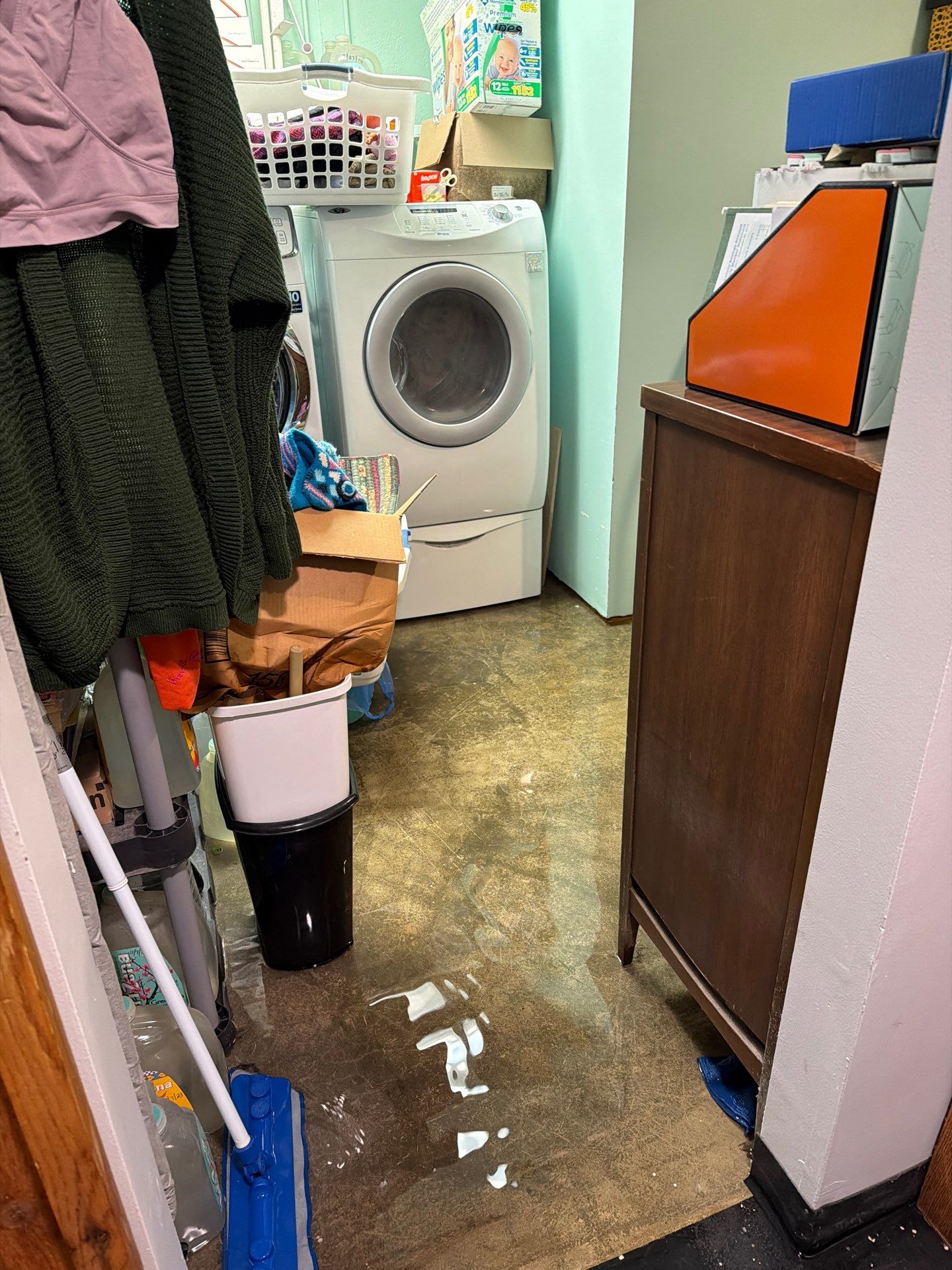
- Washing machine discharge
- Aquarium spills
- Toilet overflow that contains only urine (no solids)
- Sump pump failure with groundwater that has sat
- Hydrostatic pressure pushing water through foundation cracks
Materials like carpet pad, particle board, and saturated drywall usually have to go. Subfloor may be salvageable if extraction happens fast. The critical rule: Category 2 water becomes Category 3 within roughly 48 hours as bacteria multiply. If you have a grey water loss and cannot get extraction started within a day, expect the scope to grow.
Grey water also reacts with building materials in ways clean water does not. Detergents and soaps can strip finishes off hardwood, and food particles feed bacterial colonies that release odors into the air handler. Expect technicians to apply an EPA-registered antimicrobial after extraction and to set containment if the loss is on a finished floor with HVAC returns nearby.
Category 3: Black Water Damage
Category 3 water is grossly contaminated and contains pathogens, sewage, or toxic substances. This includes:
- Sewage backups from main line clogs
- Toilet overflow containing solids
- Rising flood water from rivers or storm runoff
- Any water that has contacted the ground outside
- Standing Category 2 water older than 48 hours
- Water that has passed through insulation or wall cavities for extended periods
Black water is not a DIY situation. Porous materials in contact must be removed, bagged, and disposed of according to local code. Antimicrobial treatment is required. Crews work in full PPE. If you are dealing with this right now, our sewage cleanup service covers the full decontamination protocol, and our detailed breakdown of Category 3 black water cleanup walks through what to expect step by step.
Signs Your Water Damage Has Escalated
You may have started with clean water and ended up with something worse. Watch for:
- A sour, musty, or sewage-like odor
- Discoloration of standing water (yellow, brown, grey tint)
- Visible mold within 48 to 72 hours
- Water that has traveled through drywall, insulation, or subfloor
- Any contact with HVAC ductwork or crawl space soil
- Warm indoor temperatures combined with high humidity
- Water sitting for more than 24 hours without active drying equipment
How Category Affects Your Insurance Claim
Adjusters in Cobblestone write claims based on category. Here is what changes:
- Scope of demolition: Cat 3 requires removal of porous materials within the contamination zone, not just the wet zone.
- Antimicrobial line items: Cat 2 and Cat 3 jobs include disinfectants and biocides.
- PPE and disposal fees: Cat 3 includes regulated waste disposal costs.
- Contents handling: Cat 3 contents are often unrecoverable. Cat 1 contents are typically cleaned and returned.
- Containment and air scrubbing: Cat 3 jobs include negative air machines and HEPA filtration to protect unaffected areas.
- Post-remediation verification: Some carriers require third-party clearance testing before reconstruction begins.
Document the category in writing. Cobblestone Water Restoration provides a written scope and loss summary that identifies the IICRC category, the affected materials, and the drying plan. This documentation protects you if the adjuster questions line items later.
What To Do Right Now in Cobblestone
- Shut off the water source if safe to do so
- Cut power to affected rooms at the breaker
- Stay out of any standing water you suspect is Cat 2 or Cat 3
- Photograph everything before moving items
- Call a certified restoration company within 24 hours
- Keep pets and children out of the affected rooms until a technician assesses the category
- Save damaged items in a garage or covered area for the adjuster to inspect